

Charter Fishing FAQ: Your Questions Answered
Planning your first charter fishing trip in Western New York? Whether you’re a complete beginner or an experienced angler new to our waters, this guide answers the most common questions about fishing Lake Erie, the Niagara River, and Lake Ontario with Brookdog Fishing Company.
Understanding Buffalo-Niagara Waters
What makes the Buffalo-Niagara region unique for fishing?
I’ve fished all over this country, throughout Canada, and a little bit in South America and the UK. When I departed the United States Marine Corps – I could’ve moved anywhere to start a charter/guide business. I returned to western NY because this fishery is truly unique.
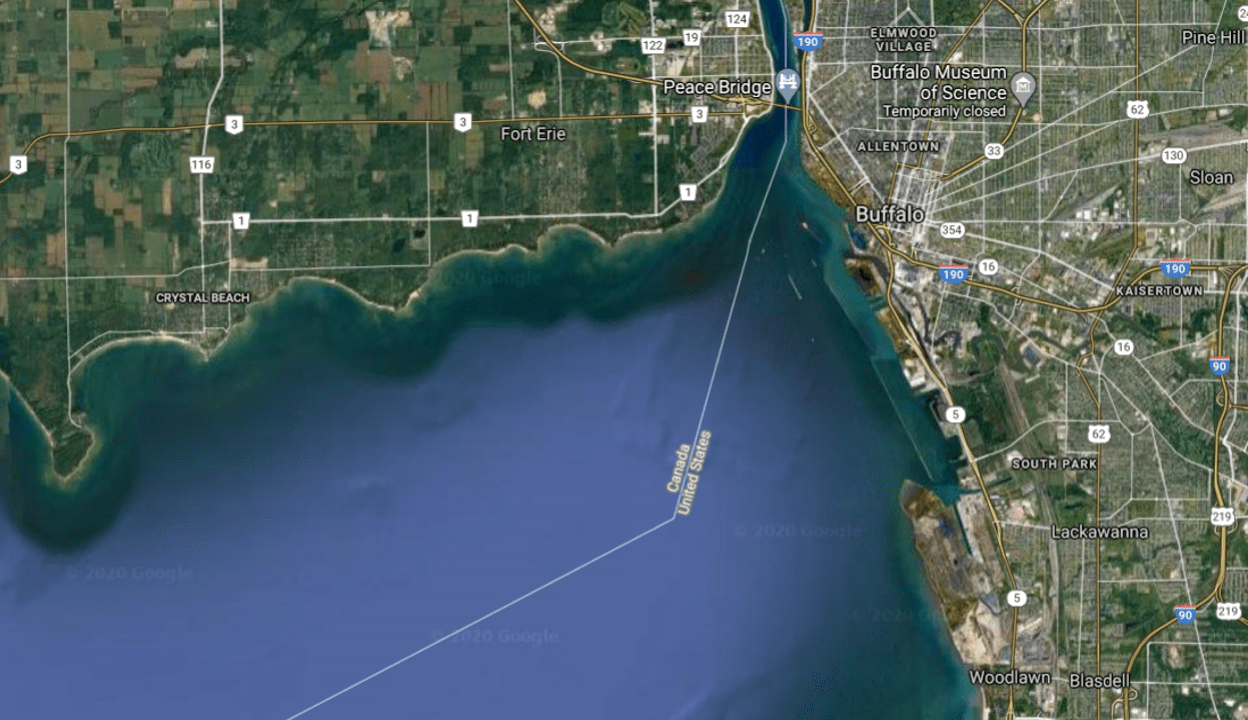
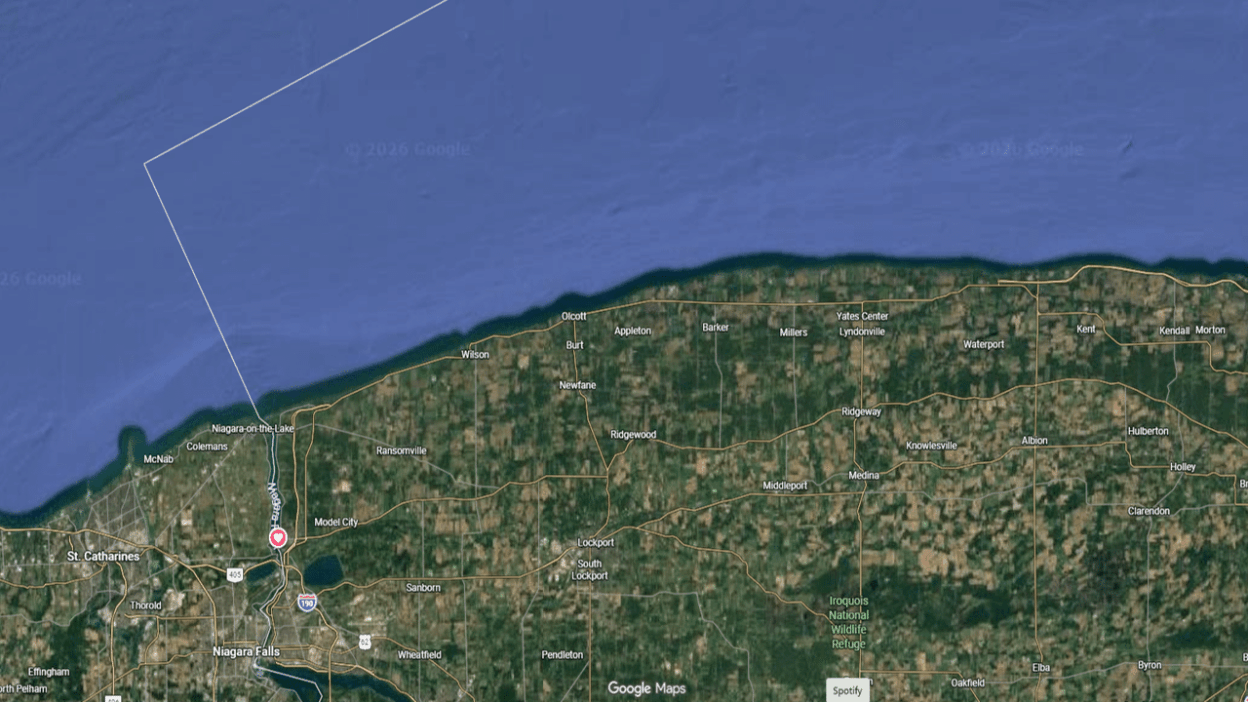
For starters, pull up a map (after reading this, of course) and zoom in to where you can see Buffalo, NY and Niagara Falls, NY on the same screen. You’ll notice only a handful of miles separate Lake Erie, the Niagara River, and Lake Ontario. In other words, I can fish Lake Ontario in the morning, take the boat out of the water, drive a little more than 30 minutes and I’ll be on Lake Erie. Oh yeah, I’d be following the Niagara River for the whole route. That’s a ridiculous amount of water – close to 20% of the worlds fresh water circulates though here.
With all that water around, there are numerous angling options as Lake Erie, the Niagara River (both the Upper and Lower Niagara), and Lake Ontario are distinct fisheries with distinct target species.
What’s the difference between fishing Lake Erie, the Niagara River, and Lake Ontario?
Eastern Basin of Lake Erie
Lake Erie offers some of the most diverse and productive fishing in the Great Lakes, with world-class opportunities for multiple species year-round. The lake’s relatively shallow, warm waters create ideal habitat for trophy walleye—considered by many to be the premier fishery in North America. The eastern basin, where Buffalo, NY is located, is also a world class smallmouth bass fishery. It’s so good that when there’s a tournament around here it takes close to a 30lb bag to take home the prize. That means even recreational anglers regularly boat multiple 4-6 pound smallmouth in a single trip. Finally, and this isn’t well known, but Lake Erie boasts the NY record for lake trout – over 41lbs. There are GIANT lakers in Erie that can be caught all year – often while catching limits of walleyes. Lake Erie’s accessibility and fish populations make it one of the most reliable and rewarding fisheries in the region.
The Upper Niagara
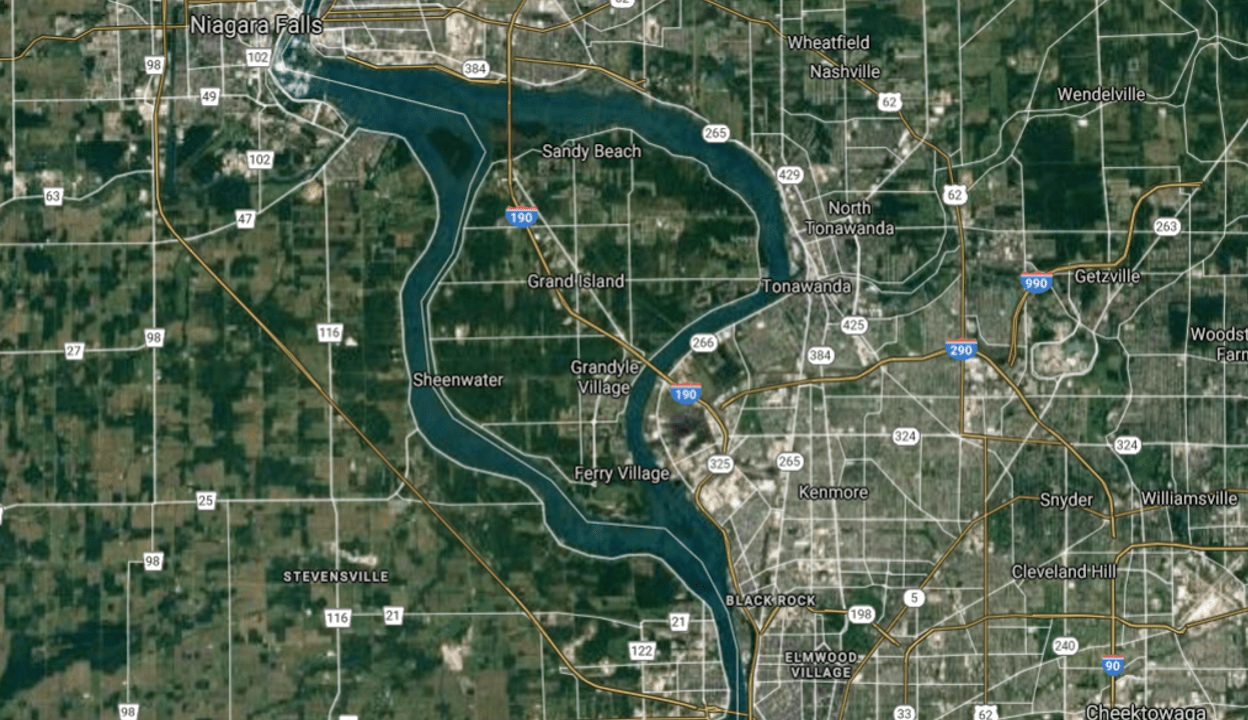
Often referred to as “the Upper” by local anglers, the Upper Niagara is the stretch of water between Lake Erie and Niagara Falls. It’s a massive stretch of water that’s very wide and close to 30 miles long. A deep zone in the Upper would be 25’ – most of it is fairly shallow – less than 15’. Nearly all of it is rocky and the current flows at a good clip, providing excellent habitat for smallmouth bass, walleye, muskellunge, and northern pike. It really shines as a fishery in the spring and fall. I mentioned this at the beginning and I’ll say it again – I’ve fished all over the place and I’ll challenge anyone to show me a better smallmouth bass fishery than the Upper in the spring. It’s incredible.
The Lower Niagara
Referred to as “the Lower” by local anglers, the Lower Niagara is the stretch of water between Niagara Falls and Lake Ontario. It’s dramatically different from the Upper. Below Niagara Falls, the Lower Niagara transforms into a dynamic spectacle with churning rapids, deep canyons, and powerful currents moving at an average speed of 8 to 10 feet per second. This mighty river supplies Lake Ontario with about 80% of its water, more than all other sources combined, making the outflow a powerful attraction to trout, salmon and other highly sought sportfish. The Lower Niagara can be fished literally 12 months a year, with fall bringing king salmon runs (averaging 15-25 pounds) starting in September. Lake trout, steelhead, and brown trout start making moves in November and stick around until May, providing consistent action for winter anglers. Oh yeah, there are some GIANT smallmouth bass and walleyes that live down there. The dramatic gorge setting, powerful currents, and convergence with Lake Ontario create one of the most productive and exciting fisheries in the Great Lakes system.

Lake Ontario
Lake Ontario is the smallest of the Great Lakes by surface area but offers world-class cold-water fishing opportunities year-round, with depths reaching over 600 feet and dramatic thermal stratification that concentrates fish at specific depths. The lake is famous for its trophy salmon and trout fishery, established through aggressive stocking programs beginning in the 1970s to control invasive alewife populations—a strategy that created one of North America’s premier sport fisheries. Chinook (king) salmon averaging in the mid-20s with trophy fish reaching the low-to-mid-30s are the main draw to “Lake O.” However, the lake also supports excellent populations of coho salmon, steelhead, brown trout, and lake trout, each with distinct seasonal patterns and preferred temperature zones. The Niagara Bar—where the Niagara River empties into Lake Ontario—creates a unique thermal break and baitfish concentration zone that attracts salmon and trout during the cold weather months, making it one of the most productive areas accessible from the Buffalo-Niagara region. Lake Ontario’s combination of size, depth, abundant forage base, and consistent stocking makes it the region’s premier destination for anglers seeking trophy-class salmon and trout in a true big-water environment.
What species can I catch in Buffalo-Niagara waters?
Check out my species page at this link for more details, but here’s a short list: smallmouth bass, walleye, muskellunge, northern pike, steelhead, brown trout, king salmon, and lake trout. Anglers can catch all of these throughout the year, but each species thrives at different times of the year. You’ll get the point if you visit that species page. 


Trip Planning & Booking
How far in advance should I book my charter?
I start my “fishing year” mid-March. Once I get going, I’ll fish nearly every day until early winter – just after the new year so long as the weather allows for it.
Spring and fall are the most popular times of year to fish around here because there are so many options and even though the weather can get nasty, there’s almost always a place where we can tuck away and get on fish. For those seasons, I book up about 3 months in advance. However, I always have a handful of last-minute cancellations so if you’re inside that window, give me a call anyway.
For summer – although I book up a couple months in advance, the days are long and I often execute 2 trips per day. So, even if my morning shift is locked up months in advance, I will always have plenty of afternoon trips available. Also, get the thought of needing to be on the water at dawn out of your head. During the summer, the water is warm and fish feed all day long – afternoon trips are as good as (and sometimes better) than morning trips .
What’s the best time of year to fish in Buffalo-Niagara?
Visit my seasons page for more information. In short – I fish from mid-March through the end of December. Every season has numerous options for an awesome angling experience – it all depends on what you want to fish for and how you want to fish.
How long are charter trips, and what options do you offer?
My full day trips are about 7 hours long. My half day trips are about 4 hours long. However, I can tailor a trip to fit your needs. Please visit my guided trips page for more details.
Do you offer trips for beginners and families with children?
Yes! Those are my favorite trips. Any time I get a chance to teach folks how to fish and something about our fishery, I leave the water fulfilled. If it’s your first time – don’t be anxious, give me a call.
What to Expect on the Water
What will we do on a typical charter fishing trip?
Let’s go back a little further to the day you book a trip with me. After we hang up, I’ll send you an email/booking confirmation showing that I have you on my calendar. In that message, there will be links to my fishing reports (so you can keep tabs on things in advance of your day), a few recommendations for clothing/what to bring, and a link to where to buy a fishing license.
A few days prior to your trip, I’ll reach out – usually by text – just to check in/provide you an update on conditions. In that message/conversation, I’ll send you a google map pin or an address to where we’ll meet. I’ll recommend a time I think we should start, but I’m flexible on start times so we can figure out a time that works best.
When we link up at the boat launch, I’ll get you oriented to where we are, the techniques we’ll use, and my best prediction as to how the day will unfold. Once we’re in position to wet lines, I’ll provide a period of instruction about the techniques, do a little demonstration, and set you loose to get after it. While you’re fishing, I’ll closely monitor your presentation and provide feedback throughout the day.
What fishing techniques will we use?
That all depends on the time of year and what the fish are doing. However, here’s a list of techniques I use: finesse fishing (jigging, casting swimbaits, dropshotting, etc.), power fishing (casting crankbaits, jerkbaits, and blades/spoons), trolling (with inline weights, divers, and downriggers), and bottom bouncing.
Will I learn fishing skills I can use on my own later?
I’ll micromanage you if I must – but you’ll surely walk away from a trip with me having learned something new. Many techniques used in the Buffalo Niagara fishery can be used anywhere. Some are specific to deep water fisheries.
Gear & Equipment
Do I need to bring my own fishing gear?
It’s usually skilled or seasoned anglers that ask me this question because they want to use their own gear. The short answer is, “no.” I have top of the line equipment and I keep my inventory fresh/modern – I typically buy new rods and reels every other year for example. All of my equipment is dialed in to what we’ll be doing – the reels are the perfect size and drag, the rods have the best action for the task, and all the baits are known producers for the region. So, can you bring your own stuff? Sure – but I want to chat with you before allowing it. I’ve have more than a handful of clients bring their own gear only for it to stay in my rod locker while they used my stuff.
What should I bring on the charter?
Clothing
Dress for the weather – and always consider that whatever is happening in the air, the water will magnify it. In other words, if it’s hot and sunny out – it’ll be hotter and sunnier on the water. If it’s cold, cloudy, and windy – well, it’ll feel colder, cloudier, and windier when we’re out there. The best policy is to layer up and shed according. Bring a small backpack or duffel with some extra layers if need be – I’ve got plenty of storage on the boat.
Munchies
I provide breakfast – bacon, egg, and cheese breakfast sandwiches for my clients. They’re simple, people seem to love them, and very filling. Unless you’re a teenage boy, most folks don’t eat much after eating one of those. I also have plenty of bottled water on the boat. If you want to bring food and drink, I only have a couple of rules. 1. Don’t bring a hard-sided cooler. I have a cooler built into my boat, so if you want to bring beverages (alcohol is fine in moderation btw), bring them in a bag and I’ll put them in the boat cooler. 2. Don’t bring glass bottles.
Fishing License
In NY, if you’re 16 or older, regardless if you’re fishing with a charter captain, you need a fishing license. Go to this link to purchase: New York Department of Environmental Conservation
Pricing & Policies
How much does a charter fishing trip cost?
$450 for a half day and $600 for a full day – this includes all equipment, bait, and instruction. Typically, I only do half day trips from Memorial Day to Labor Day, but I’m willing to make exceptions depending on your situation.
What’s your cancellation policy?
If you want to cancel or reschedule for personal reasons, please be transparent and have a conversation with me. If you must cancel, I will encourage you to reschedule if possible. The only way I’ll initiate cancelling a trip is if something happens to me or my boat that would prevent me from going out.
Weather can also cause cancellations – but that call is mine to make. I don’t force clients into a position where they’ll be miserable on the water due to extreme cold, severe wind, or downpouring rain. I have the gear to fish though that stuff, plus I’m acclimated to those conditions, so I’ll fish through them. However, I also understand everyone isn’t that hardcore. Bottom line, if weather looks problematic, we’ll have a conversation about it and you can trust that I’ll be BRUTALLY TRANSPARENT about the options.
Safety & Your Captain’s Experience
What are your safety protocols and qualifications?
I’m a USCG certified charter captain. My boat is inspected annually by the USCG to make sure I have everything I need to operate safely in our waters. I execute close to 200 charters annually and have done so for more than a decade.
What happens if the weather is bad?
See above under the What’s Your Cancellation Policy? My definition of bad is likely different from yours. Bad to me means unsafe – temperatures below the mid-20s, winds blowing over 40mph, waves bigger than 5’, persistent lightening, and BIG lake effect snow. However, those aren’t the only no-go criteria. Water clarity is part of it too. If we have severely stained water, we won’t go out unless everything else is perfect (like it’s sunny, there’s no wind, and the air temperature is tolerable). However, that only occurs during the cold weather months (November – March).
The North Dakota Landscape: Wild and Free
North Dakota’s landscape is a character in this story. Set your cruise control at 75 mph, and you can roll for an hour without seeing a soul. Fields of grass, grain, beans, and sunflowers stretch endlessly, gridded out in a futile attempt to tame the wild. Lone farmhouses huddle under sparse trees, grain silos stand sentinel, and oil derricks pump quietly, reminders of human presence in a vast ecosystem.
The roads are arrow-straight, offering pure, unfiltered freedom. Scattered ponds and lakes glint like gems, drawing wildlife in droves. Come morning, the sky explodes—geese honk, ducks glide, cranes call like pterodactyls, all feeding on crops that sustain both them and us. On the ground, pheasants and grouse dart through grass like Jurassic Park velociraptors. You might spot whitetail deer, mule deer, jackrabbits, badgers, raptors, or even a moose, all thriving in this untamed expanse.
Ready to Book Your Buffalo-Niagara Fishing Adventure?
Still have questions? That’s what I’m here for. Give me a call at 716-704-5144 or tap/click this link and let’s talk about what kind of trip makes sense for you – whether it’s your first time holding a rod or you’re a seasoned angler looking to test your skills in an awesome new fishery. With 200+ five-star reviews and thousands of charters under my belt, I promise you’ll leave the water having learned something new and (hopefully) with some fish stories to tell.
